Skip to content

Money Myths

Cut through the noise. Make better money decisions.

FMB examines popular claims about taxes, compensation, lifestyle, investing, and major decisions.
See the evidence, assumptions, and tradeoffs before you act.

  • Evidence FirstCredible sources, rules, data, and established principles.
  • Assumptions VisibleSee what must be true for popular financial advice to work.
  • Practical VerdictsClear conclusions, limitations, and factors to evaluate.
01

“When RSUs vest as shares, holding them is the default.”

Shares vesting does not automatically make holding them the right call. This CPA-led framework separates the compensation-tax layer from the investment decision that starts…

02

“If I reach a safe harbor, my tax bill is handled.”

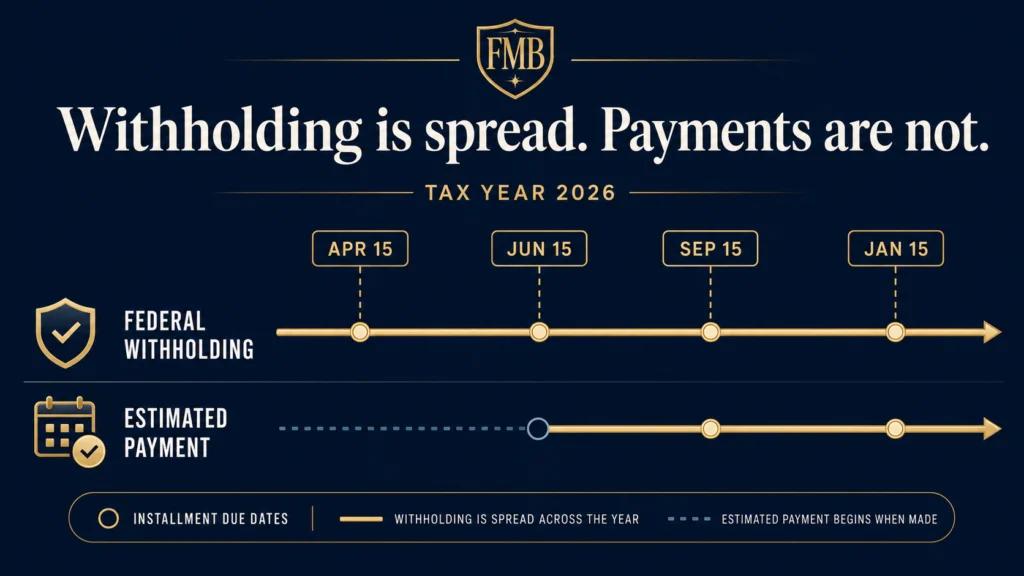
Federal withholding and estimated payments are treated differently when the underpayment penalty is calculated. That difference can determine what a W-2 household can still…

03

“If I max out my 401(k), I’m saving enough for retirement.”

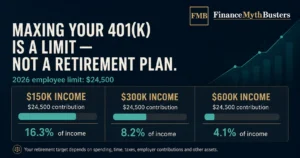
The 2026 employee contribution limit is $24,500. That is a tax-code ceiling, not a personalized retirement target. See the savings-rate math and two worked…

Available

Annual Financial Checkup

Get a clear snapshot of your financial health across cash flow, emergency reserves, debt, insurance, retirement, taxes, and other key priorities—all in one…

Start My Checkup
Available

Withholding Safe Harbor Check

Find out whether your federal withholding is on track for safe harbor — and estimate what additional withholding may still be needed before…

Check My Withholding
Available

Emergency Fund Target

Build a practical emergency reserve range around your essential expenses, income stability, household obligations, and financial risks.

Calculate My Target

How We Evaluate a Claim

How we decide whether a money rule holds up.

The goal is not to replace one rule of thumb with another. It is to make the assumptions and tradeoffs visible.

01

Identify the Claim

Define exactly what is being recommended and what assumptions sit underneath it.

02

Test the Evidence

Review credible research, government guidance, tax rules, datasets, and primary sources where available.

03

Examine the Tradeoffs

Look at the circumstances that can change the answer: income, taxes, timing, risk, goals, and opportunity cost.

04

Give the Verdict

Usually True. Usually Not. It Depends. The verdict explains when the rule works and when it may not.

Evidence Over Opinion

Sources We Rely On

We use reputable primary sources, regulatory guidance, research, and established financial institutions so you can verify the facts behind what you read.

Charles Schwab
Federal Reserve
Fidelity
Vanguard
Internal Revenue Service
Securities and Exchange Commission

The Weekly Myth

One money rule worth questioning, delivered to your inbox.

Your subscription could not be saved. Please try again.
You are subscribed. Welcome to the FMB Brief.

Evidence-based insights, useful tools, and new guides. No spam. Unsubscribe anytime.